DFRWS Updates SOLVE-IT to Address Risks of Generative AI in Digital Forensics
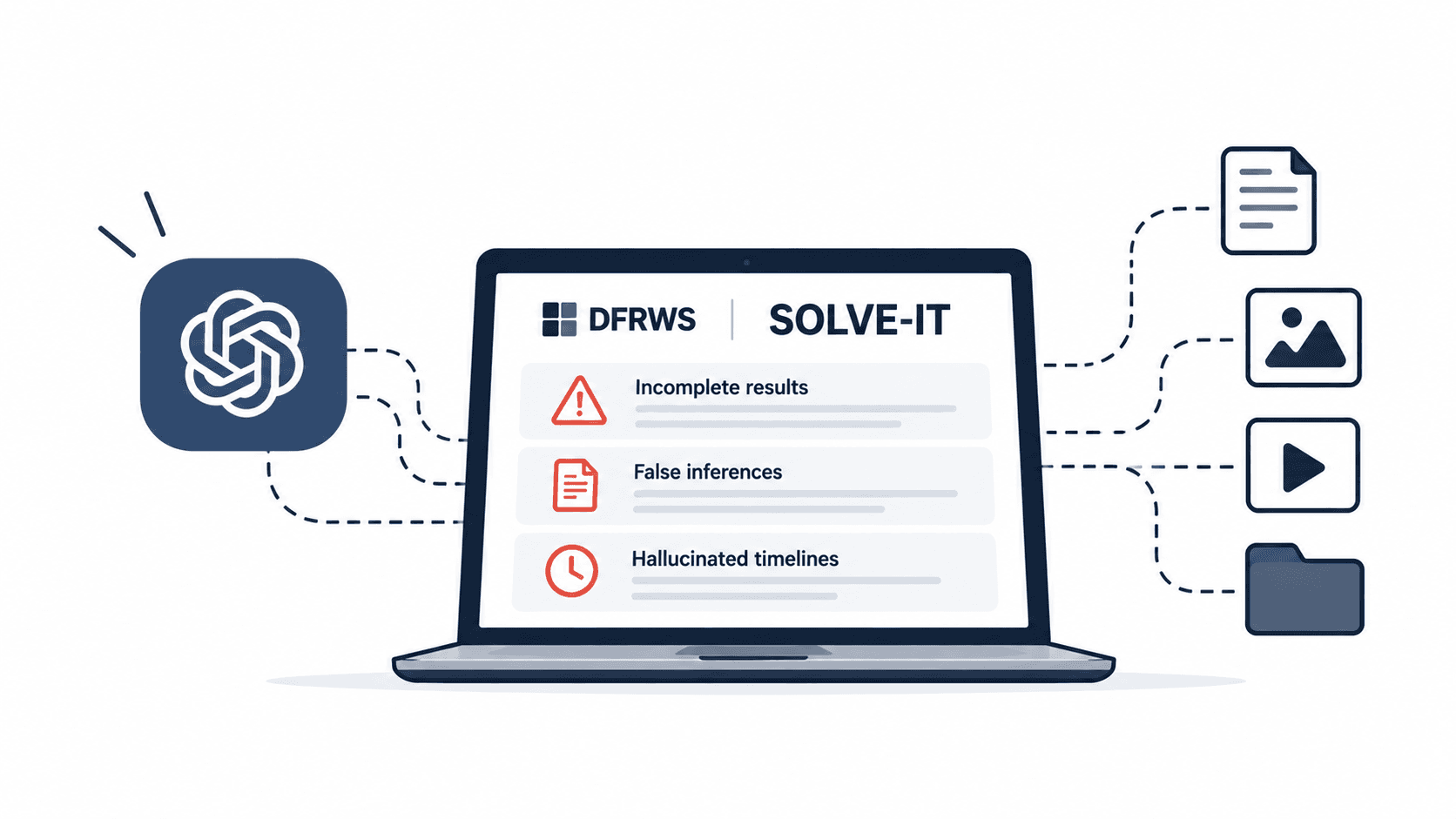
The Digital Forensics Research Workshop (DFRWS) has updated its open-source SOLVE-IT knowledge base with weaknesses and mitigations specifically related to the use of generative AI in digital forensic investigations.
The update focuses on problems that can occur when investigators use AI-assisted tools to search, interpret or summarize digital evidence. According to DFRWS, these systems can produce incomplete results, incorrect interpretations and false inferences, including claims that an event occurred when it did not or that activity happened at an incorrect time or location.
SOLVE-IT is designed to document weaknesses in digital forensic techniques and identify measures that can reduce their impact. The new GenAI-related entries apply the same approach to AI-assisted forensic workflows.
DFRWS highlights several safeguards, including stronger controls over access to evidence, transparency about how AI-generated results are produced, reproducibility of analysis and mechanisms that prevent AI-generated inferences from being presented as established facts.
The organization also describes the mitigation of GenAI-related weaknesses as a shared responsibility between forensic-tool developers and investigators.
The update comes as AI-assisted analysis becomes increasingly common in digital forensics, particularly for processing and interpreting large volumes of evidence.
DFRWS says further work is needed to establish reliable guardrails and evaluation methods for GenAI-assisted forensic tools.